
A fun and competitive balance game that improves hand-eye coordination and reflexes, which you can prepare with simple materials at home (sticks and ping pong balls)! Try it now for family fun.
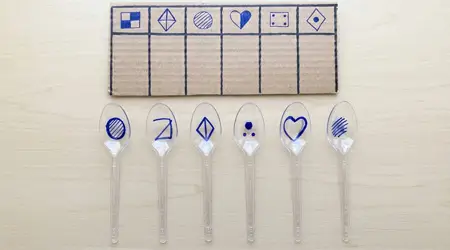
This practical activity, prepared with transparent plastic spoons and cardboard, improves children's visual perception, part-whole relationship and focusing skills. Details of the educational game are here!
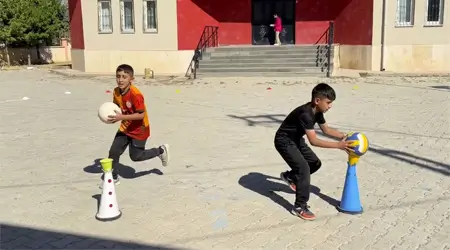
Educational physical education game that improves students' reaction speed, agility and decision-making ability! The rules and achievements of the game of catching the ball from the pontoon are here in detail.
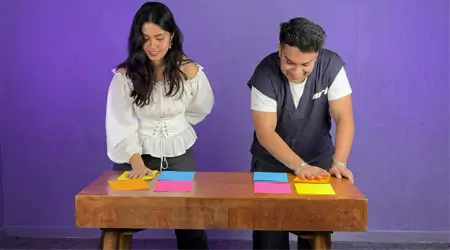
Discover the Touching the Spoken Color Game, which develops reflexes, attention and listening skills in children and young people. Step-by-step application guide is in the event details.
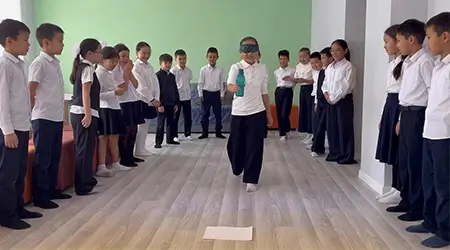
Discover the Blindfolded Goal Reaching Game that develops confidence, sense of direction and cooperation in children. Details of fun in-class activities are in our video.
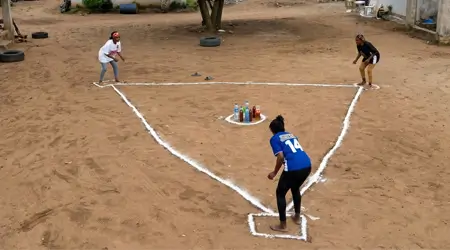
Grab the bottles in the middle and be the first to collect 3 bottles in your square! Steal your opponent's bottle and protect your own area. All the rules of the bottle collecting game are here.
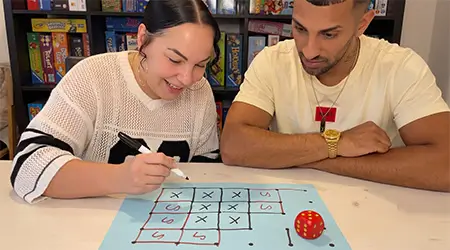
The most popular two-player strategy game of recent times that you can play at home with just a paper, pencil and dice! The rules, gameplay and tips of the dice SOS and box closing game are in this article.
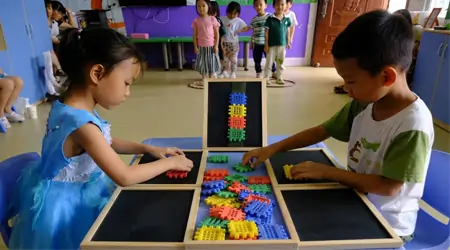
In-class team competition that develops children's hand-eye coordination, color perception and analytical thinking skills: Pattern completion game guide with colored blocks!
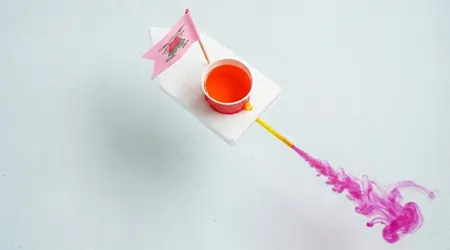
A great STEM project that will increase children's curiosity in science: Straw and colorful floating boat experiment! Required materials, step-by-step preparation and scientific explanation.
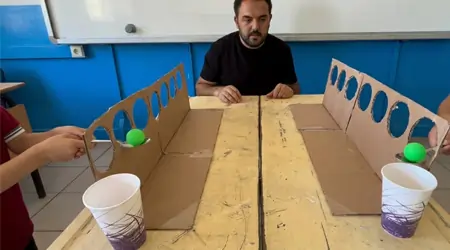
Help children gain smooth focus and dexterity with recycling materials! Guide to the balance game made with cardboard, spoon and ping pong ball.
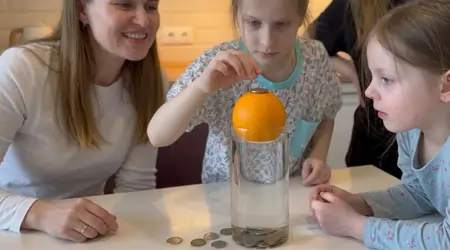
Increase children's focus time and dexterity with materials at home! How to play the game of keeping the money fixed on the orange floating on the water and what are its benefits?
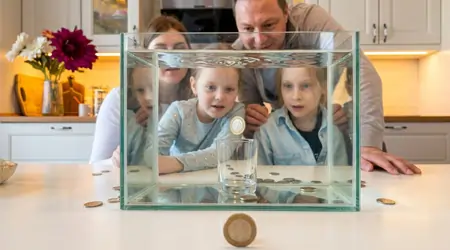
It's much harder than it looks! How to play the game of dropping money into the glass in the water-filled aquarium? The fun physics rules and tactics behind it are in this article.
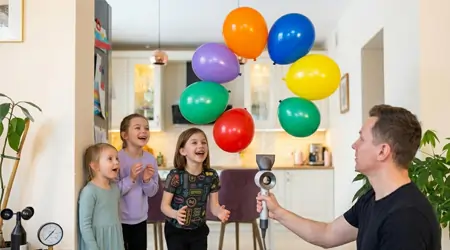
Make your children love science with materials at home! Rules and procedure of the balloon circle experiment that rotates in the air using a hair dryer and balloons.
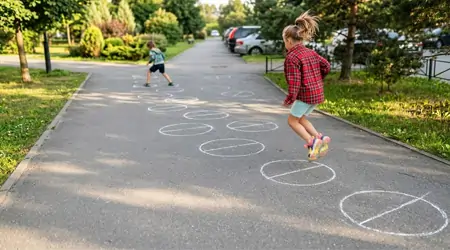
A new street game that is both fun and coordination-improving for children: Line circle jump! The rules, benefits and how to play the game are in this event.
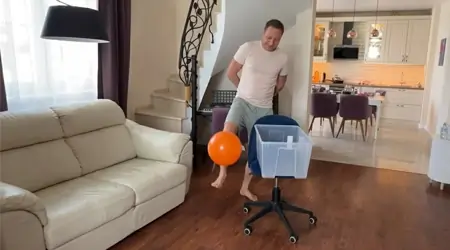
A great activity suggestion for those who are bored at home! How to play the game of throwing balloons into the box by bouncing them with your feet? The rules and details of this lively house game, which both improves children's coordination and entertains adults, are in our guide.
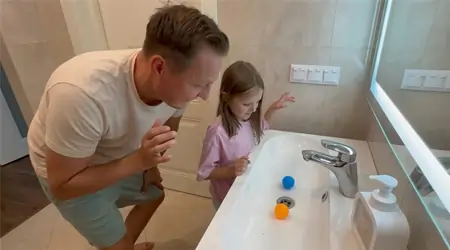
Fun sink ball race activity for kids! Thanks to this game in which two different balls compete in the water stream, children have fun and competitive moments.
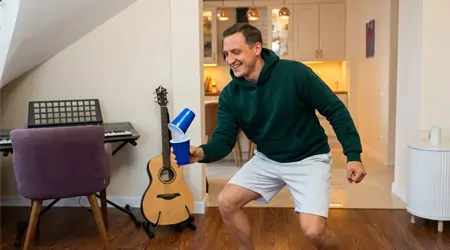
A great activity for those who are bored at home! Test your reflexes and improve your focusing skills with the cup catching activity. Step by step application guide and tips are in this content.
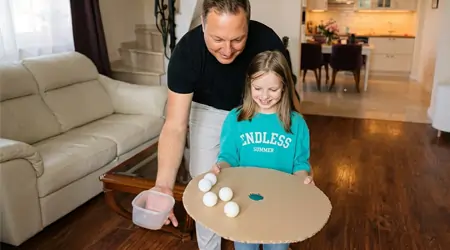
Meet this simple but effective game that will improve your child's focusing skills and motor skills! This balance platform, which you can prepare using cardboard and a ping-pong ball, both entertains and teaches. Step-by-step instructions and game rules are here!
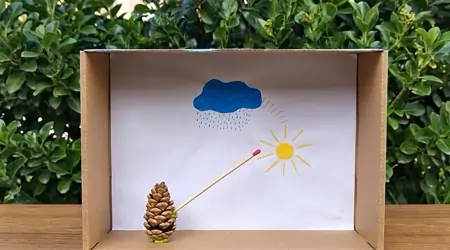
Make your own natural hygrometer using the moisture-changing structure of a pine cone! An educational and entertaining "weather forecast with a cone" experiment guide that can be done at home for children.
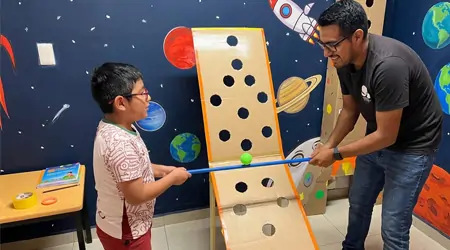
How to make a cardboard maze game that improves children's focus and hand-eye coordination? Check out this fun activity guide that you can prepare with materials you have at home!
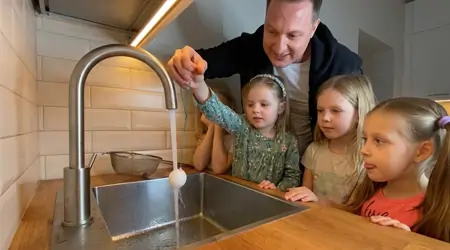
A fun and educational science experiment you can do at home with children: A ping-pong ball suspended in the air in a stream of water! Learn Bernoulli's Principle in simple terms and try this magical experiment right away.
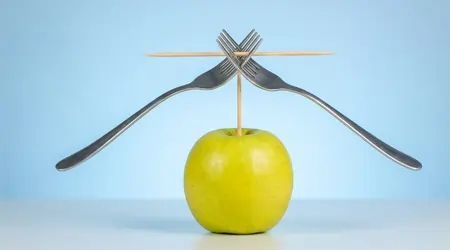
A fascinating physics experiment that you can do at home with your children! Defy gravity with an apple, two forks and two toothpicks. The tricks of the center of balance experiment are in this activity.
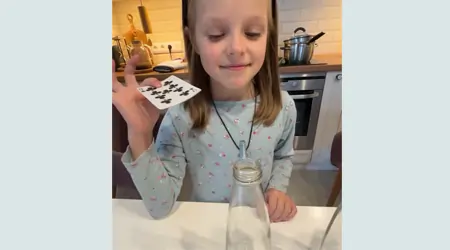
This content; It describes an interactive experiment performed with a bottle, a card and a small object that teaches children the rules of physics (inertia) through play. It offers tips on how to diversify the game with different materials such as batteries, pencils or nuts.
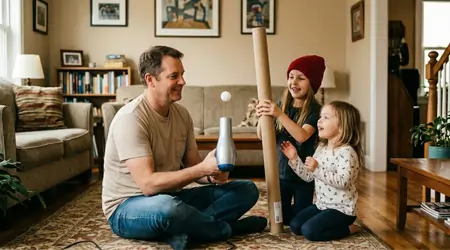
Discover science with simple ingredients at home! Explain Bernouilli's Principle to your children in a fun way, using a hair dryer and a ping-pong ball. Step by step experiment guide.
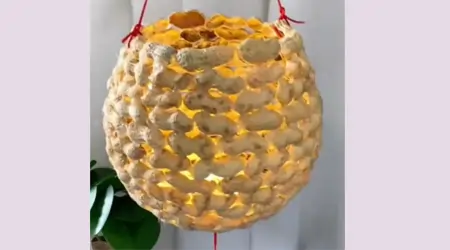
This project describes the process of making a naturally textured beehive model with peanut shells glued around a balloon. The structure that emerges by dismantling the balloon after the glue dries offers an educational and entertaining recycling activity for children.
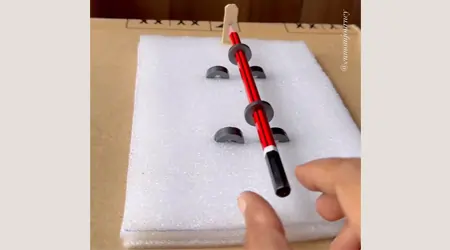
This activity allows children to learn through experience which substances are attracted to the magnet and which are not. This "magnet hunt" triggers curiosity and teaches basic scientific concepts through play.
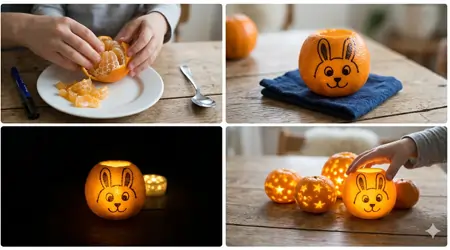
We turn tangerine season into fun! With just a tangerine, a pencil and a light source, you can prepare a magic rabbit lantern that will decorate your children's room, made with their own hands. This simple but impressive activity that develops fine motor skills will be a favorite during your evening play hours.
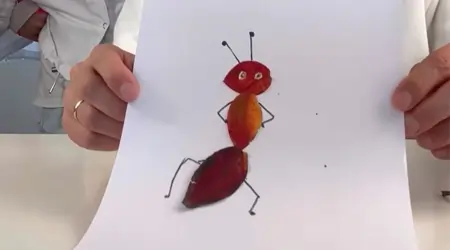
An enjoyable art activity that develops children's imagination using leaves collected from nature and simple materials! You can create fun figures such as ants and cockroaches by gluing leaves to paper and adding drawings around them.
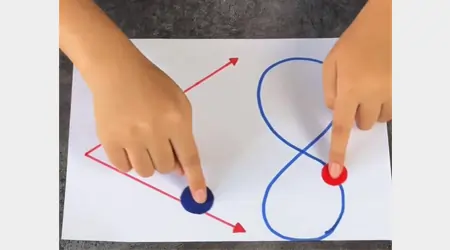
With neurogymnastics, children's right and left brain coordination improves. This activity, performed by using both hands simultaneously on different lines, strengthens attention, focus and motor skills.
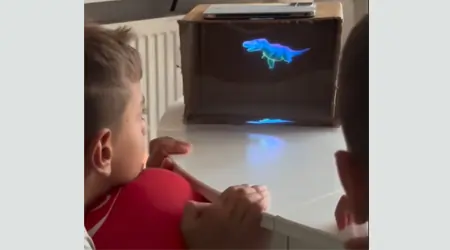
We can carry out a science activity that is both fun and educational for children with this simple mechanism that we will prepare using cardboard and transparent paper.
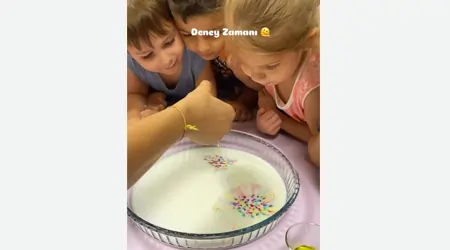
Today, we carried out a color feast experiment with our children that is both fun and educational. In this enjoyable children's activity, we drew various shapes on napkins and made dots with colored felt-tip pens. Then, thanks to the detergent we added, we observed how the colors mixed together and became colorful.
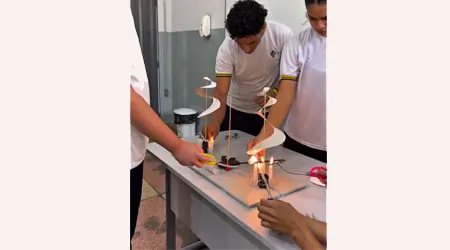
Why does heat rise? Why does hot air move? This fun experiment allows children to feel science firsthand by observing heat and air currents. This experiment, which you can easily do at home or in the classroom with a candle and a small spiral of paper, is both instructive and fascinating!
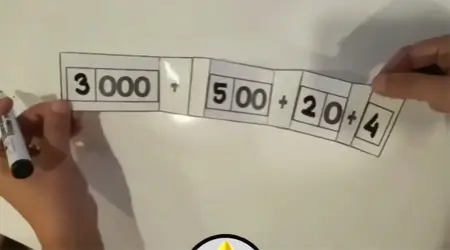
In this activity, children calculate a number; He concretely discovers that it consists of thousands, hundreds, tens and ones digits. As the foldable cards are opened, they break into number pieces and children see that a large number is actually the sum of smaller numbers.
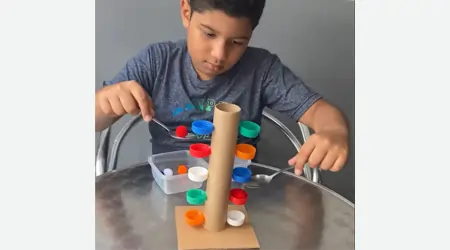
Support the left and right brain development of children with the Color Ladder activity! A step-by-step guide to strengthening visual perception, focus, and fine motor skills.
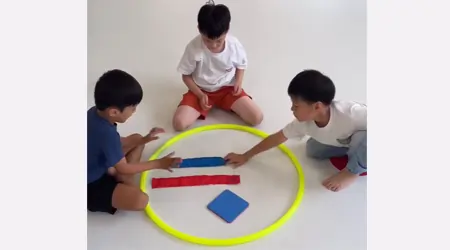
This game, played with two colors and two people, is a fun activity where the first one to get the ribbon of the same color according to the color on the upper surface of an object thrown on the ground wins.
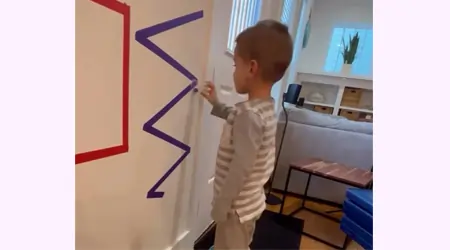
Let's help our little ones follow the different shapes of lines we have drawn with colored paper on the wall or any other surface, using the colored ball in the cup.
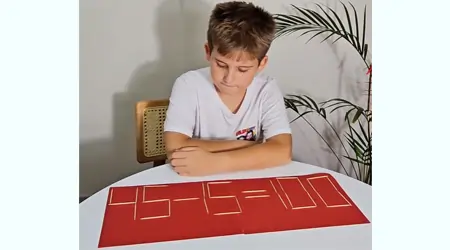
In intelligence activities, we will try to make two numbers equal by making a single move. This activity, prepared with toothpicks, includes a little math and a little intelligence. Try to achieve equality quickly.
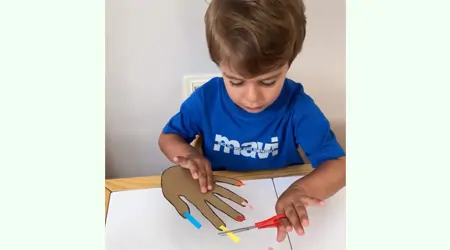
We learn self-care skills by having fun. We gain the skill of cutting nails using scissors.
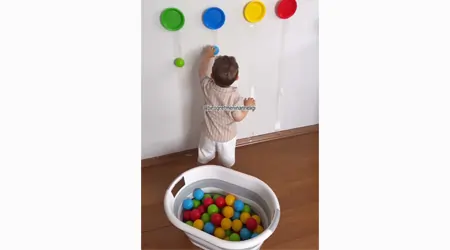
Hello everyone, I have come with a very fun and easy-to-prepare activity that will improve our children's matching and classification skills. We will make sure to match colored pool balls with colored papers of the same color.
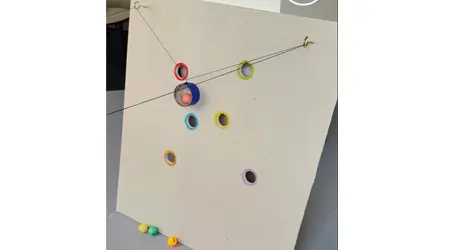
We will prepare a mechanism with yarn, rolls, cardboard and colored ping pong balls. We will move the ping pong balls in a balanced manner and make them fall through the same colored space.
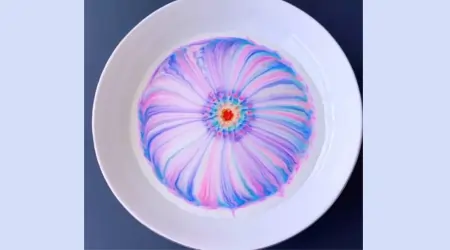
Drop dishwashing liquid into the middle of the handkerchief you colored with watercolor and turn the milk into a colorful feast. Details and entertainment are in our video.
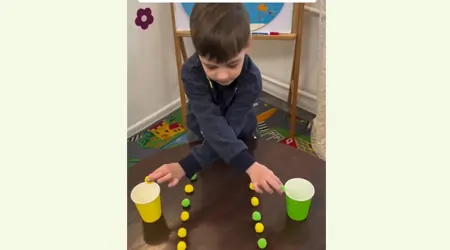
It is a good activity for our children to use their right and left brains in a coordinated manner. In this activity, we try to put mixed colored objects into the same colored glass.
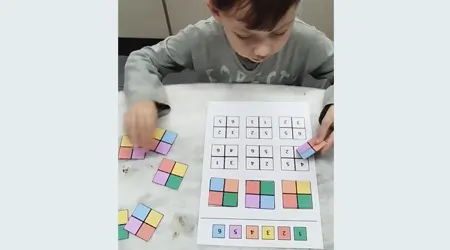
We create colored squares in our coding activity. We fill these shapes with numbers in them with these colored squares. We pay attention to the matching of colors and numbers. The goal is to find the correct order by following the color and number descriptions.
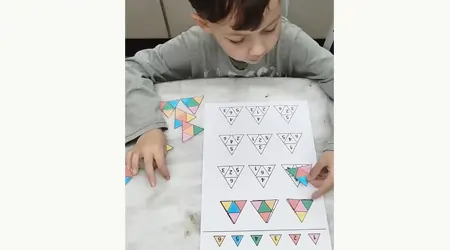
In our coding activity, we create colored triangles. We fill these shapes with numbers in them with these colorful geometric shapes. We pay attention to the matching of colors and numbers. The goal is to find the correct order by following the color and number descriptions.
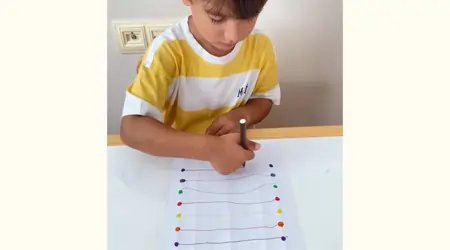
Let's try doing line tracing exercises with little ones to prepare for reading and writing. These lines will reinforce correct writing.
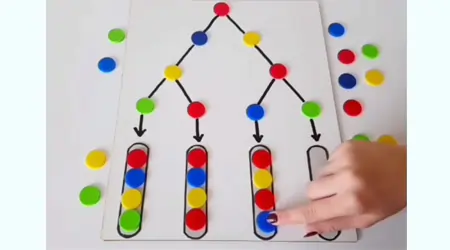
We arrange the colored circles to the chamber respectively. Visual perception is an example of a game that supports attention, line tracking, and eye coordination.
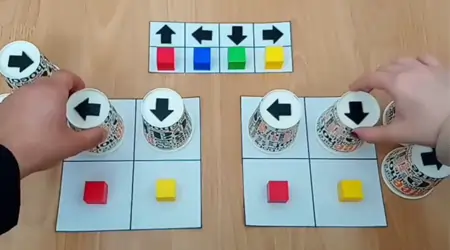
We cover the colored cube that corresponds to each arrow given on the directive card with the appropriate cup. A game example that improves visual perception, attention, focus, ground-year concept development, coding and fast thinking skills.
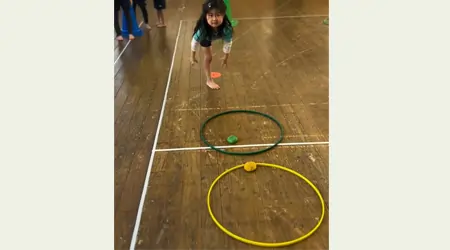
Try to reduce the objects of two different colors (play dough, plastic ball, etc.) into different circles of different colors. The color of the circle and the color of the object should be the same.
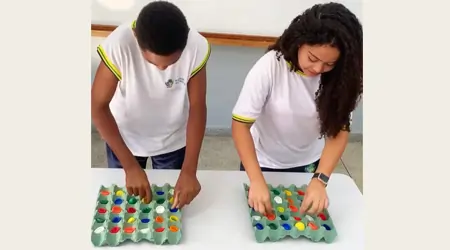
An activity full of speed and attention with egg parcel and colorful plastic caps. Try to make the colorful lids that stand in a mixed way in the egg parcel so that the same colors are in line.
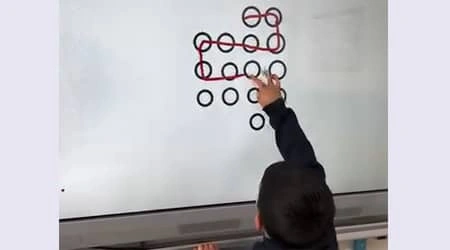
We try to reach the starting point without error by passing through the points we have prepared in a certain order. A little attention, a little practical and full of fun.
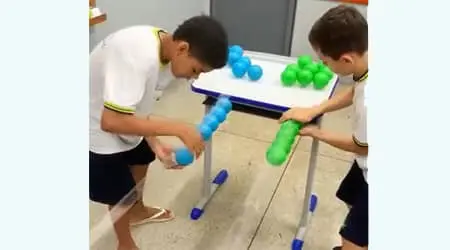
We prepare a mechanism for adhesive bands. In this mechanism, let's stick the plastic balls on the adhesive tape respectively and try to move forward. The first reaches the target wins.
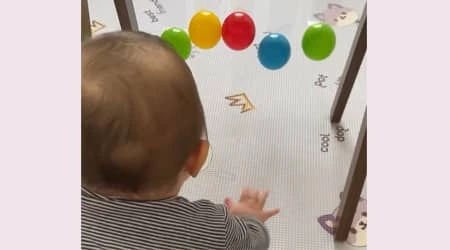
I put our colored balls at the end of the tapes and dangled under the table and tried to reach it from the tapes.
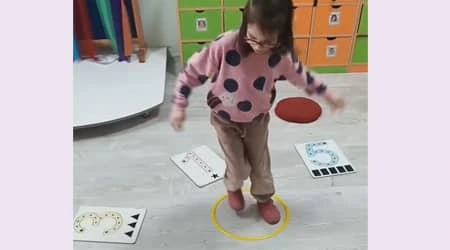
We write numbers on papers respectively. We put the numbers we wrote on the floor a little scattered. After leaving the ring among the numbers, we visit the numbers respectively.
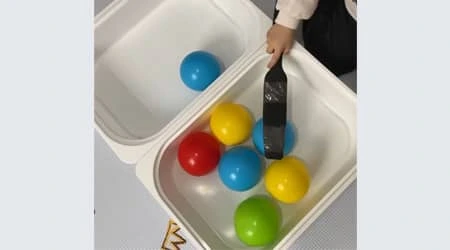
I put duct tape on one of our kitchen serving spatulas, then we collected the balls in the basket with the spatula and transferred them to the other container.
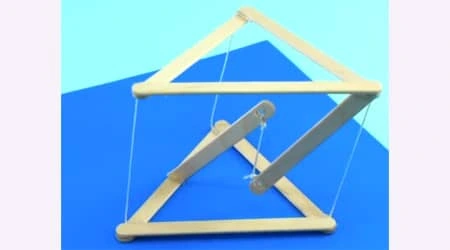
A magical structure that defies gravity: What is an anti-gravity table? A fun physics experiment you can do at home using the Tensegrity principle.
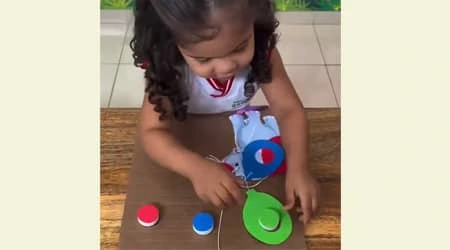
Completing the colored rings with missing parts, develops motor skills, learns to recognize color and begins to recognize the concepts of early mathematics.
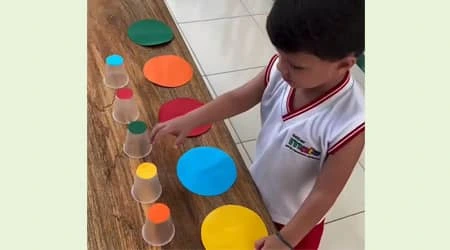
Each plastic cups under the paste of paper in different colors. Let's create colorful circles of the same colored papers. The little ones will try to match these colored cups with the circles.
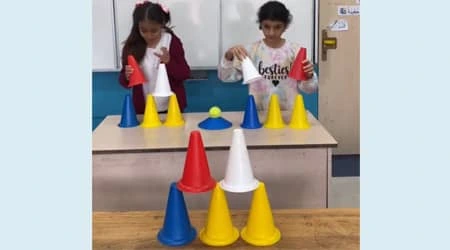
In this event, which is played in the form of a competition, we try to arrange the colorful funnels lined up according to certain order and shape.
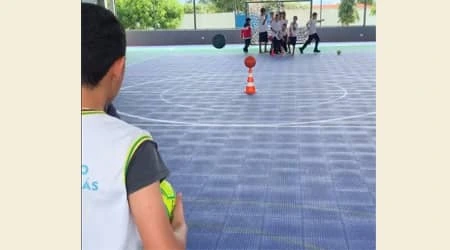
In this game you can compete as a team in the middle of the two teams in the middle of the ball is placed in the middle. Teams try to hit and drop this ball. The team that reduces the ball the most wins the game.
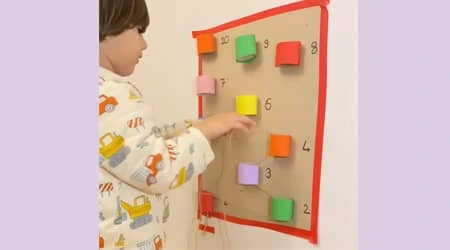
In the number mechanism we prepared from cardboard, we try to sort the numbers with rope. So we will help our little ones learn the numbers in turn.
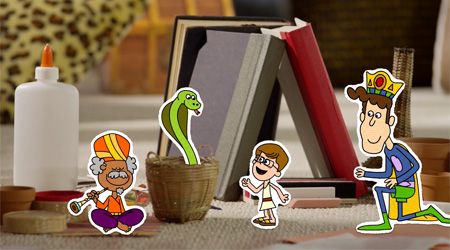
When Benny is scared to look in the cupboard under the sink, Mister Anthony tells him a Napkin Man story about the time Napkin Man helped a little boy named Asim bring on the brave in ancient Egypt and look inside the big treasure chest to find a treasure for the pharaoh's birthday.