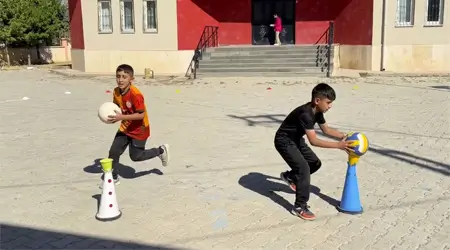
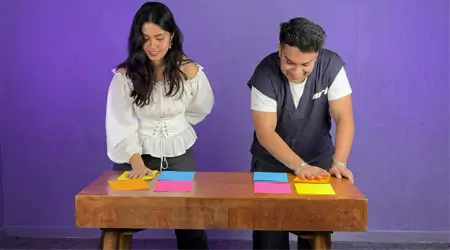
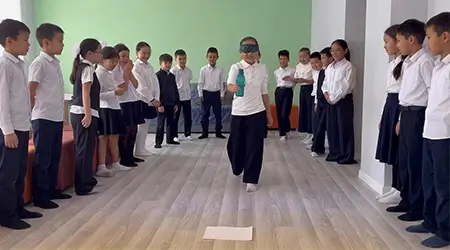
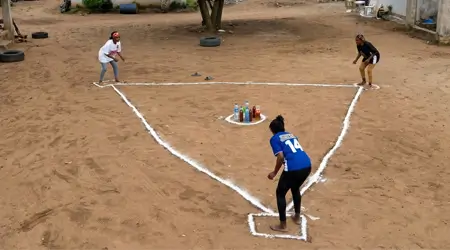
It is not always easy to keep children both physically moving and mentally focused during classroom activities. However, it is possible to achieve this balance with a game that both has the excitement of a relay race and offers basic computer-free coding (pattern following) skills! The Color Block Matching Game against Time, which has become a favorite of educators on social media, may be just the dynamic and educational activity you are looking for.
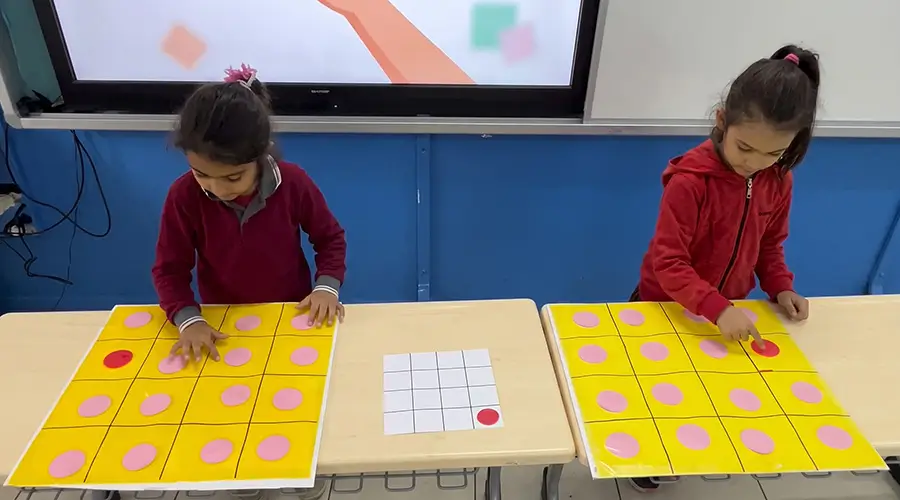
Let's examine together the rules, how it is played and its developmental benefits of this wonderful group game, which we see in the visual and in which children participate with great excitement.
What is Pattern and Block Matching Game?
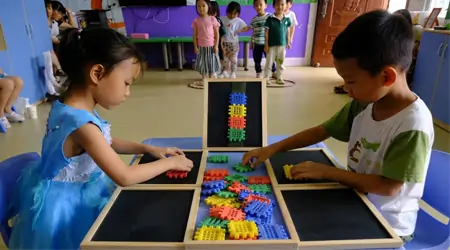
This game; It is an attention and speed game in which children try to copy the color sequence (pattern) shown on a target board to their own area as quickly as possible by finding the correct colored pieces from a mixed pool. The fact that the children in the background are waiting in circles shows that the game is played as a team with the logic of a relay race.
Required Materials
You don't need complicated materials to create this fun contraption:
- Plenty of colored blocks (interlocking plastic blocks) or colored legos.
- Small boards or cardboard floors that mark the players' own areas.
- A main template board where you will display the target pattern (Ex: Blue-Yellow-Red-Green sequence).
- Plastic hoops to be placed on the ground to determine the order of the children in the back.
Rules of the Game and How to Play
To make the game more fun, you can organize a tournament by dividing the class into two teams:
- Group Setup: One or two "Sequencer" players from each team wait at the beginning of the table. The other members of the team line up in circles on the ground at the back.
- Determine the Pattern: A vertical template is placed in the middle of the table for everyone to see. For example, from top to bottom in the template; Blue, Yellow, Red and Green blocks are lined up in a row.
- Start the Race: With the starting whistle, the children at the back run towards the table one by one and grab a block from the mixed pool in the middle and deliver it to their teammate (or the children at the table quickly select the pieces from the pool).
- Arrange in the Correct Order: The aim of the children at the table is to line up the color order in the template on their own black boards. The first team to find the correct color among the pieces randomly taken or brought from the pool and complete the template without any errors wins the round!
Benefits of This Activity for Children's Development
This game, which seems like a simple matching game, triggers many mental and physical skills of children at the same time in the background:
- Algorithmic Thinking and Coding: Following a certain sequence forms the basis of unplugged coding. Children learn to follow step-by-step instructions.
- Visual Attention and Discrimination: Quickly selecting the specific color needed at that moment from a complex and multi-colored pool maximizes visual focusing ability.
- Teamwork and Communication: Asking for the right piece from a friend behind, following turns, and competing together for a common goal strengthens children's social-emotional bonds.
- Gross and Fine Motor Integration: Following the actions of running, stopping, waiting for your turn (gross motor), the transition to the action of interlocking blocks on the table (fine motor) is a great motor planning exercise.
Conclusion: An Excellent Energy Release Tool for Classroom Management
If you want to support children's learning processes while directing their energy to the right place, this color block competition is just for your class! It both improves tactical thinking and makes lessons much more fun by increasing the sweet competition in the classroom.
How many groups do you plan to play this game with in your own classroom or at home? What rules would you add to make the pattern more difficult? Share with us in the comments!