
A fun and competitive balance game that improves hand-eye coordination and reflexes, which you can prepare with simple materials at home (sticks and ping pong balls)! Try it now for family fun.
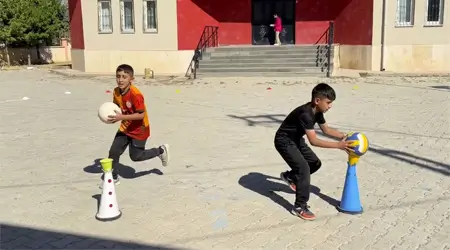
Educational physical education game that improves students' reaction speed, agility and decision-making ability! The rules and achievements of the game of catching the ball from the pontoon are here in detail.
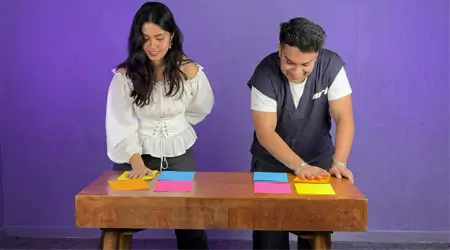
Discover the Touching the Spoken Color Game, which develops reflexes, attention and listening skills in children and young people. Step-by-step application guide is in the event details.
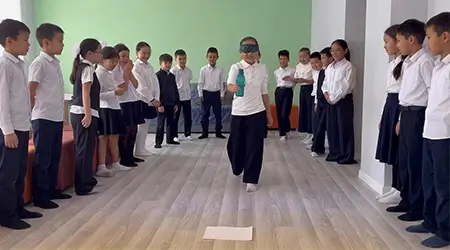
Discover the Blindfolded Goal Reaching Game that develops confidence, sense of direction and cooperation in children. Details of fun in-class activities are in our video.
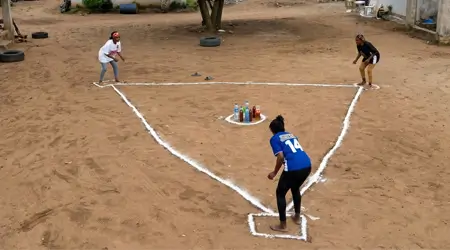
Grab the bottles in the middle and be the first to collect 3 bottles in your square! Steal your opponent's bottle and protect your own area. All the rules of the bottle collecting game are here.
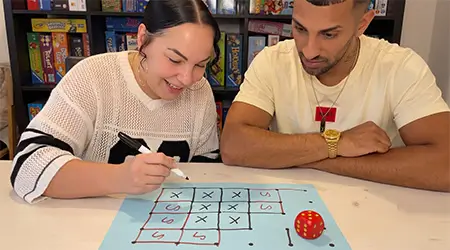
The most popular two-player strategy game of recent times that you can play at home with just a paper, pencil and dice! The rules, gameplay and tips of the dice SOS and box closing game are in this article.
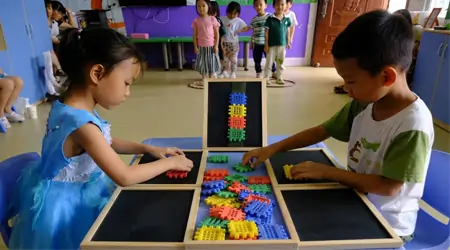
In-class team competition that develops children's hand-eye coordination, color perception and analytical thinking skills: Pattern completion game guide with colored blocks!
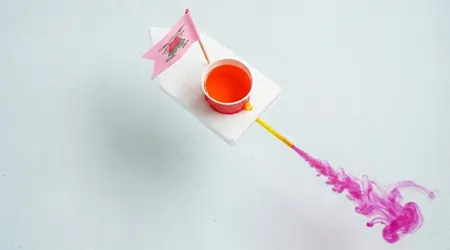
A great STEM project that will increase children's curiosity in science: Straw and colorful floating boat experiment! Required materials, step-by-step preparation and scientific explanation.
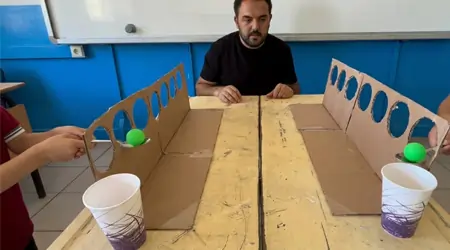
Help children gain smooth focus and dexterity with recycling materials! Guide to the balance game made with cardboard, spoon and ping pong ball.
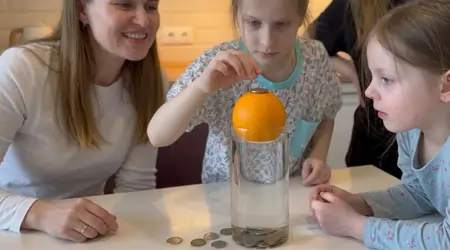
Increase children's focus time and dexterity with materials at home! How to play the game of keeping the money fixed on the orange floating on the water and what are its benefits?
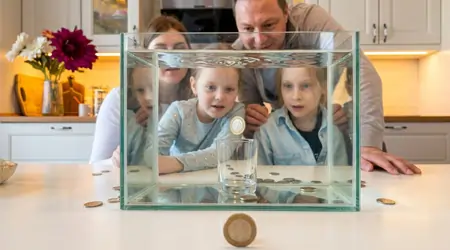
It's much harder than it looks! How to play the game of dropping money into the glass in the water-filled aquarium? The fun physics rules and tactics behind it are in this article.
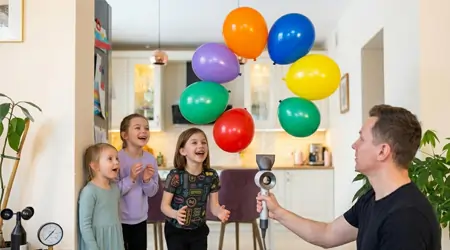
Make your children love science with materials at home! Rules and procedure of the balloon circle experiment that rotates in the air using a hair dryer and balloons.
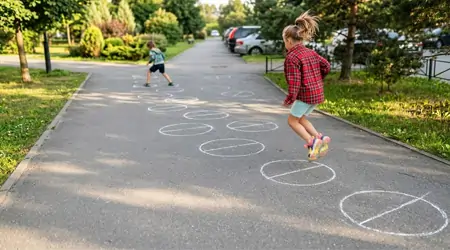
A new street game that is both fun and coordination-improving for children: Line circle jump! The rules, benefits and how to play the game are in this event.
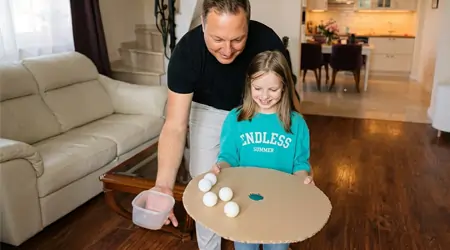
Meet this simple but effective game that will improve your child's focusing skills and motor skills! This balance platform, which you can prepare using cardboard and a ping-pong ball, both entertains and teaches. Step-by-step instructions and game rules are here!
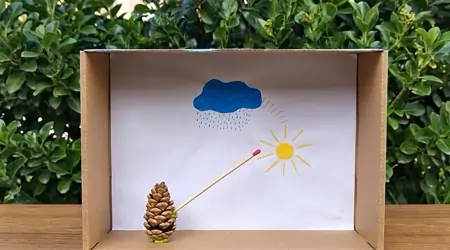
Make your own natural hygrometer using the moisture-changing structure of a pine cone! An educational and entertaining "weather forecast with a cone" experiment guide that can be done at home for children.
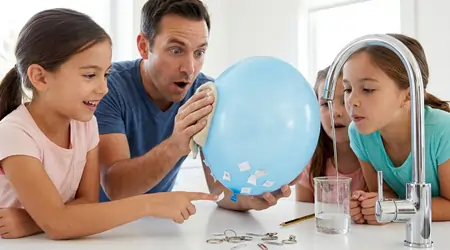
Did you know you can change the flow of water or make paper float in the air with a balloon? A fun experiment guide where we'll explore static electricity and electrostatic attraction!
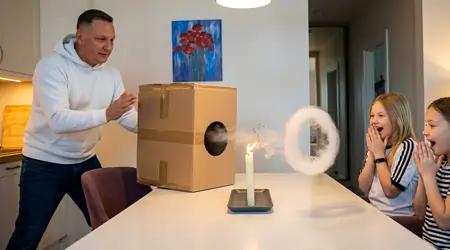
Did you know you can extinguish candles from a distance using just a cardboard box? Discover the power of invisible air currents with the Vortex experiment. The step-by-step instructions and the amazing physics behind them are in this content!
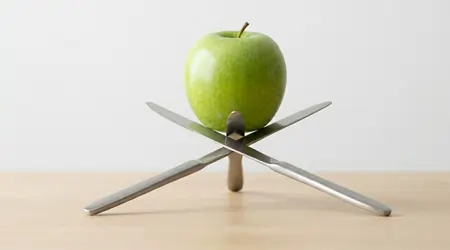
Defy gravity with ice cream sticks, thin branches, or knives! Discover the construction and scientific secrets of the "Self-Supporting Bridge" (Da Vinci Bridge), which can carry heavy loads using only friction and balance, without any glue.
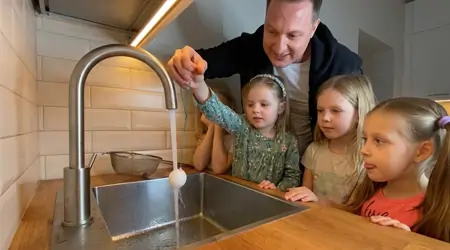
A fun and educational science experiment you can do at home with children: A ping-pong ball suspended in the air in a stream of water! Learn Bernoulli's Principle in simple terms and try this magical experiment right away.
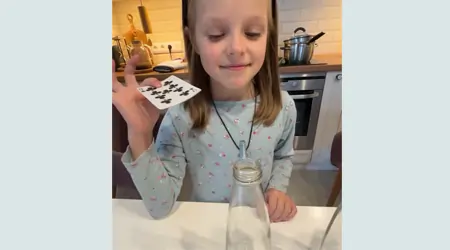
This content; It describes an interactive experiment performed with a bottle, a card and a small object that teaches children the rules of physics (inertia) through play. It offers tips on how to diversify the game with different materials such as batteries, pencils or nuts.
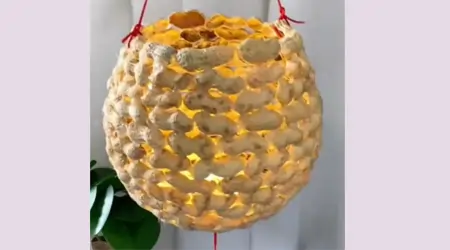
This project describes the process of making a naturally textured beehive model with peanut shells glued around a balloon. The structure that emerges by dismantling the balloon after the glue dries offers an educational and entertaining recycling activity for children.
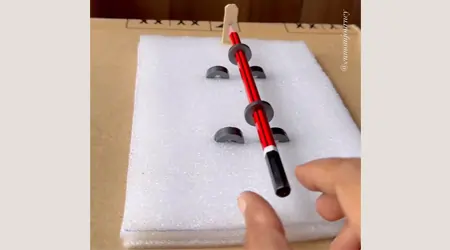
This activity allows children to learn through experience which substances are attracted to the magnet and which are not. This "magnet hunt" triggers curiosity and teaches basic scientific concepts through play.
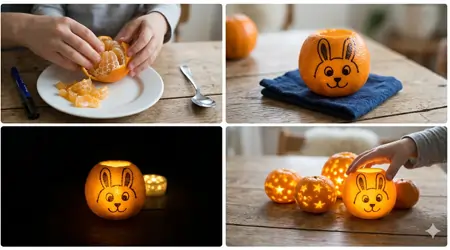
We turn tangerine season into fun! With just a tangerine, a pencil and a light source, you can prepare a magic rabbit lantern that will decorate your children's room, made with their own hands. This simple but impressive activity that develops fine motor skills will be a favorite during your evening play hours.
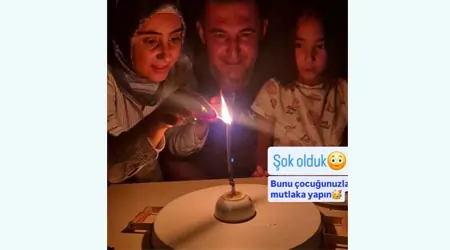
A fun science experiment that shows that the smoke released after the candle goes out can re-light the candle when it meets the fire again. This activity, which can be done with children, enables learning by observing the behavior of combustion and gases.
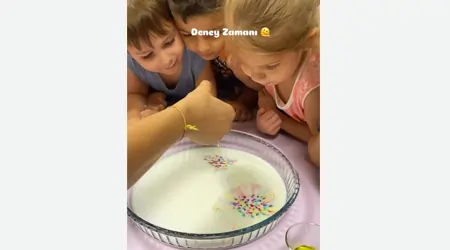
Today, we carried out a color feast experiment with our children that is both fun and educational. In this enjoyable children's activity, we drew various shapes on napkins and made dots with colored felt-tip pens. Then, thanks to the detergent we added, we observed how the colors mixed together and became colorful.
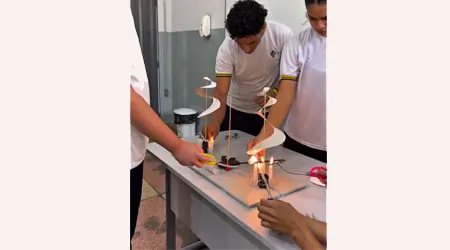
Why does heat rise? Why does hot air move? This fun experiment allows children to feel science firsthand by observing heat and air currents. This experiment, which you can easily do at home or in the classroom with a candle and a small spiral of paper, is both instructive and fascinating!
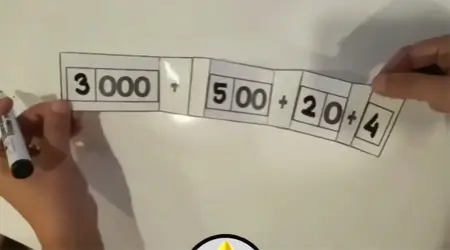
In this activity, children calculate a number; He concretely discovers that it consists of thousands, hundreds, tens and ones digits. As the foldable cards are opened, they break into number pieces and children see that a large number is actually the sum of smaller numbers.
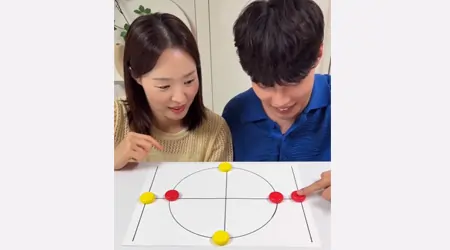
This game is an exciting battle of wits where two opponents face each other around a circle. Each player has their own color and the goal is simple: line up three of their own tiles side by side. But your opponent has the same goal!
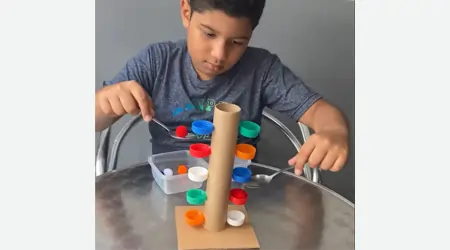
Support the left and right brain development of children with the Color Ladder activity! A step-by-step guide to strengthening visual perception, focus, and fine motor skills.
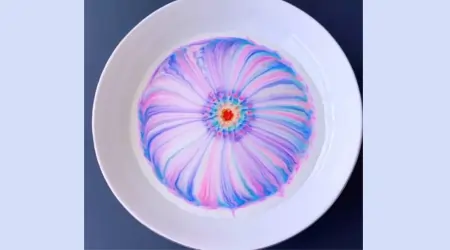
Drop dishwashing liquid into the middle of the handkerchief you colored with watercolor and turn the milk into a colorful feast. Details and entertainment are in our video.
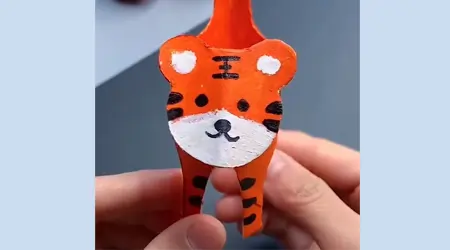
Let's prepare the rollers and paints for our animal figures drawing activity. In this video, we will try to make a colorful and cute tiger.
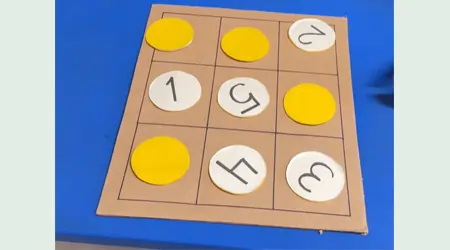
We write the numbers on a piece of paper. We arrange the written papers in a random order. We try to open these randomly arranged numbers in order. Each time, remembering their positions becomes more difficult, so let's really challenge our memory.
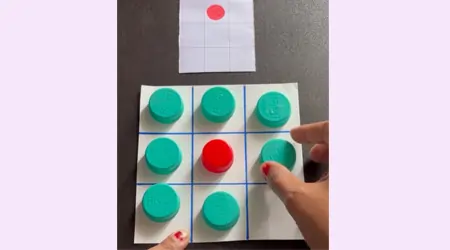
We're preparing simple and diverse puzzles. To solve the puzzles, we're trying to get the plastic lids to the indicated target with the fewest movements. The key is to keep the movement to a minimum.
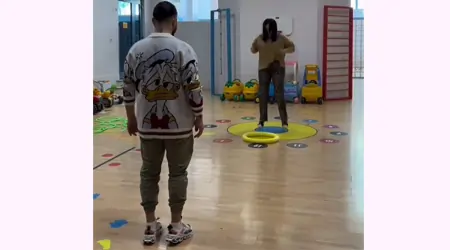
In this activity played with at least two people, let's join the two ends of the spinning reel together and glue them together. The spinning reel forms a ring. On a flat surface, one person will quickly throw the ring from the ground, while the other person will try to get inside the ring.
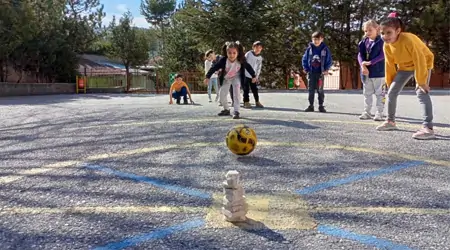
In this game played by two teams, one team knocks down stacked stones with a ball and then tries to stack them back on top of each other. Of course, the other team tries to hit the opposing players with their ball to prevent them from restoring the stones.
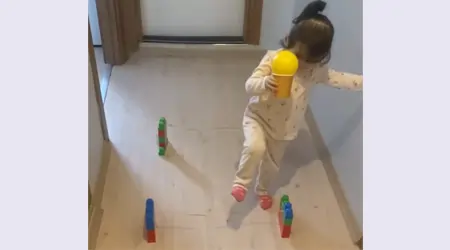
We tried to carry the ball on the cardboard glass without dropping the obstacles you created by using lego and rope. If we pass the obstacles without any support, it provides more gain.
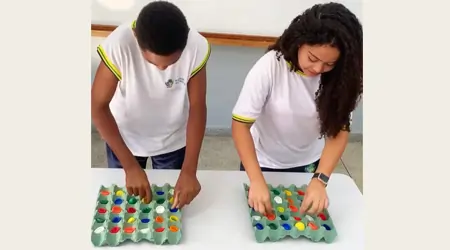
An activity full of speed and attention with egg parcel and colorful plastic caps. Try to make the colorful lids that stand in a mixed way in the egg parcel so that the same colors are in line.
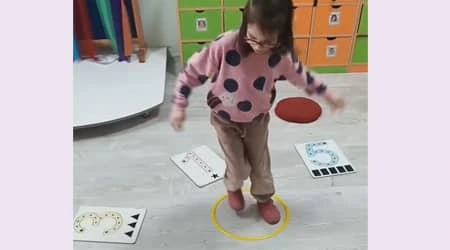
We write numbers on papers respectively. We put the numbers we wrote on the floor a little scattered. After leaving the ring among the numbers, we visit the numbers respectively.
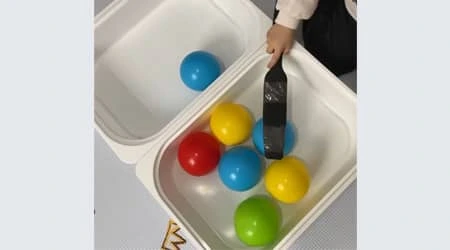
I put duct tape on one of our kitchen serving spatulas, then we collected the balls in the basket with the spatula and transferred them to the other container.
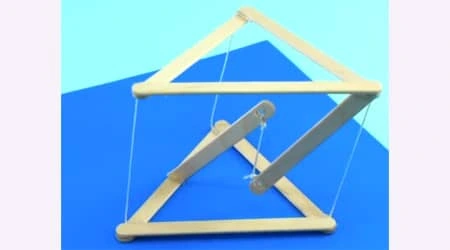
A magical structure that defies gravity: What is an anti-gravity table? A fun physics experiment you can do at home using the Tensegrity principle.
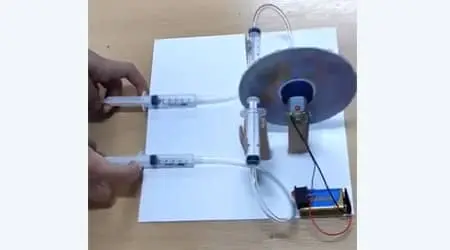
In our experiments series, we are trying to prepare a device for the Pascal Principle and try to make a braking system.
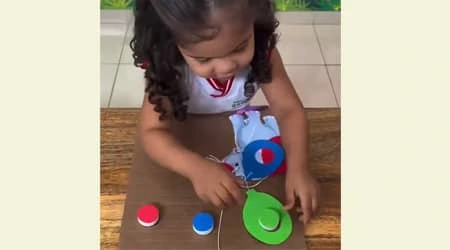
Completing the colored rings with missing parts, develops motor skills, learns to recognize color and begins to recognize the concepts of early mathematics.
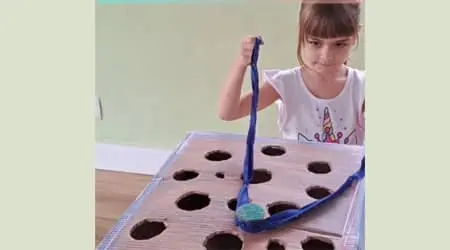
We are with you with an easy -to -make activity. Let's drill holes of enough size to different points on a cardboard. We will try to get an object to the target without entering these holes. Details in the video.
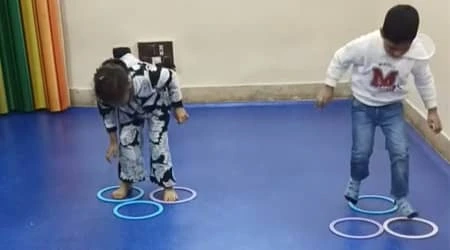
We will be in a race in this event. We provide foot and hand coordination with three rings and try to move towards the target. The first reaches the target wins.
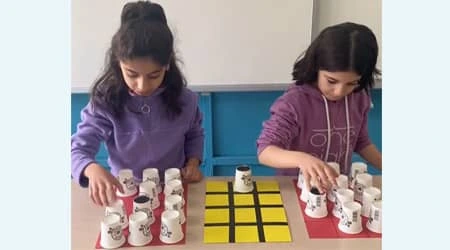
We are preparing a system with cardboard cups. We are trying to match these cups with a given model. The fastest one to replicate the given model wins.
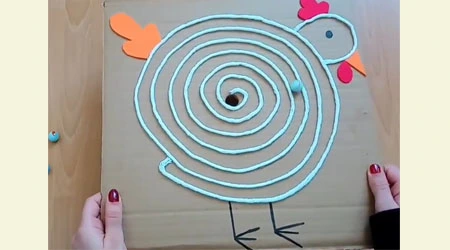
We bring our balls to the target and play a fun game with our cute chicken. An example of a game that improves hand-eye coordination and attention.
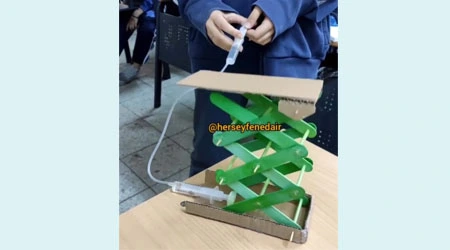
In our experiments series, we are trying to prepare a device in accordance with the Easter Principle and make leverage.
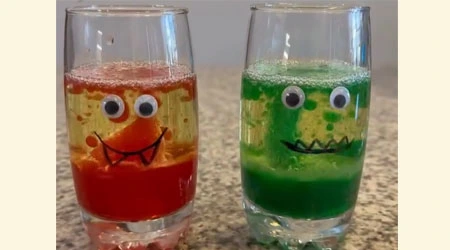
We are with you with an experimental activity. We will experience water, cups, food coloring, oil and magnesium tablet and lava spraying mountains.
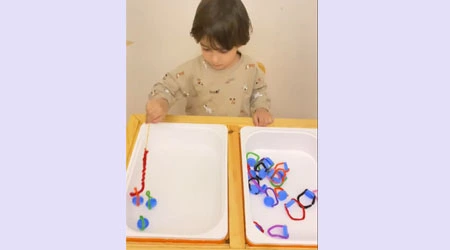
We are doing an activity of transferring objects in a box to another empty box with the help of a stick.
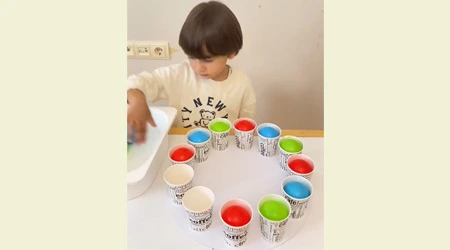
With the pattern circle, our little ones will learn to arrange objects in a certain order.
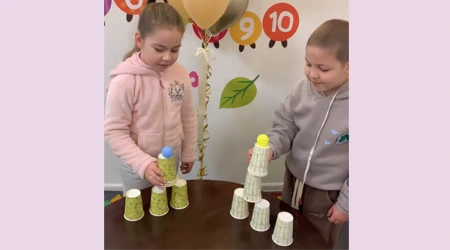
In this activity played with paper cups and pong balls, let's put the cardboard cups in the top of the pingboard ball standing on the top cardboard glass. We wish you plenty of fun in this activity with balance and speed.
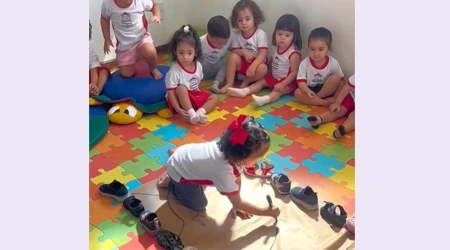
We will make our little ones find the same shoes for the development of visual perceptions. While providing this, he will learn to draw a line and create a bridge between the two shoes.
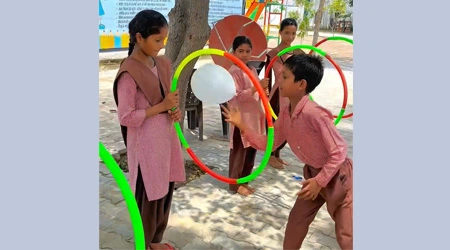
Let's try to move our balloon forward from the large rings listed in our balloon event. Of course there will be some rules. To make the balloon down and let the balloon go down to the ring.
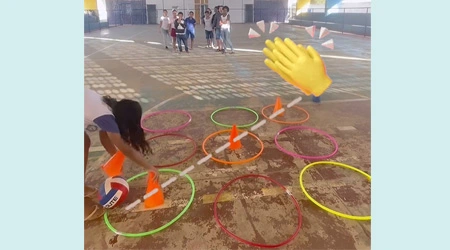
Let your friends have a good time and try to win the game with the help of the ball and the public at this enjoyable event.
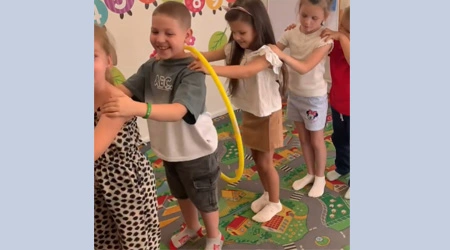
Let's gather a little more friends. Then let's try to get through the ring with our hand on the shoulder of the other friend. Friend harmony is important,
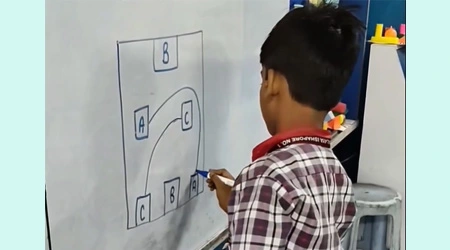
Let's do some brain test. In this event, you need to meet the same boxes. But you should not pass the same place again while bringing the boxes together. Let's start then!
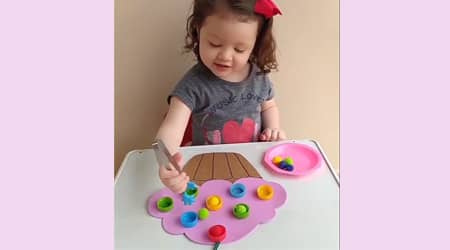
Let's find lids of different colors and round objects with the same colors. Then let's try to match these different objects with colored caps.
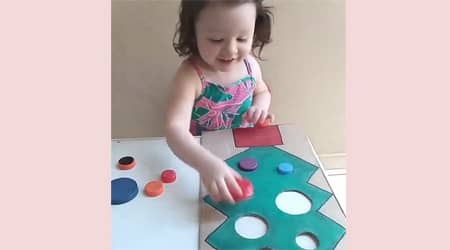
Let's find caps or round objects of different sizes. Then let's create gaps on the cardboard in the size of these different sizes of objects. Let's make our little ones match the objects with gaps.
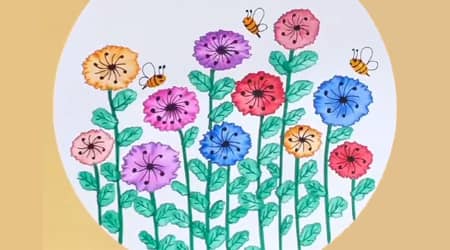
Let's try to reveal spring flowers with this beautiful activity. The materials used felt with felt pen, thick paper, water, ear bar. Let's watch our event and try to do the same.
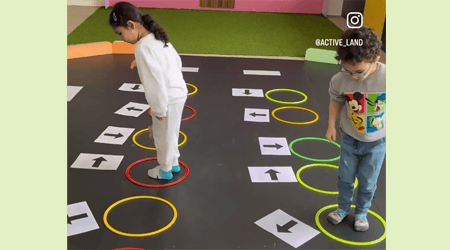
Let's jump into the rings towards the side of the aspects in our activity where we have prepared the public and direction indicators. It wins the competition that is fast and finishes.
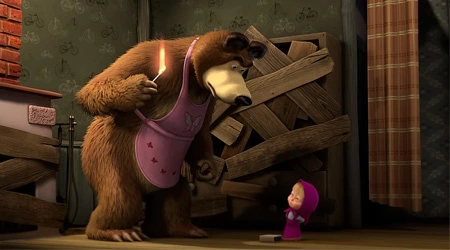
Masha walks into the forest where she finds a cozy-looking Bear’s house, who at this moment has just gone fishing. Upon his return, he discovers his lovely house in shambles. The Bear does his best to get rid of the pesky guest, but when he succeeds, he suddenly feels anxiety for the little child he left in the forest. The Bear rushes to find her and finally discovers her in his own house, cleaning around.
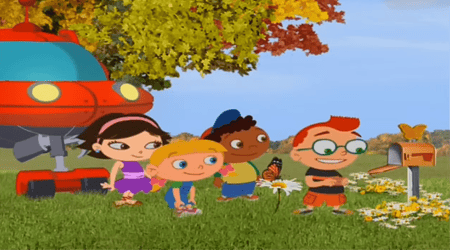
The Little Einsteins are on their daily patrol on Rocket, until they hear music coming from somewhere distant.
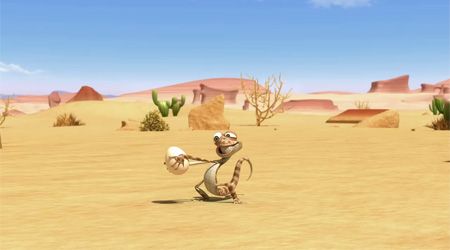
Oscar sees a photo of a boiled egg in a magazine lying on the ground. So he tries to steal one of the chickens' eggs. But the Trio turn up, set on capturing a chicken to cook in their cooking pot.
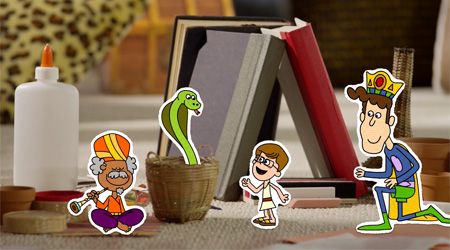
When Benny is scared to look in the cupboard under the sink, Mister Anthony tells him a Napkin Man story about the time Napkin Man helped a little boy named Asim bring on the brave in ancient Egypt and look inside the big treasure chest to find a treasure for the pharaoh's birthday.